By newarkmerchantservices January 19, 2026
Newark retailers are facing higher customer expectations than ever, especially at checkout. Shoppers want fast, simple, and flexible ways to pay, both in store and online. When payment options feel limited or confusing, customers often walk away. By improving payment experiences, Newark businesses can reduce friction, increase sales, and build stronger relationships with modern shoppers.
Why Customers Expect Flexible Payment Choices
Offering flexible payment to customers means they get the flexibility, convenience, and ease they require in the payment process of an item they wish to purchase. Even though convenience could be the major aspect, the actual significance of payment flexibility in the shopping experience cannot be ignored.
When customers reach checkout and see payment methods they already use and trust, it removes hesitation and makes the final step feel effortless. When those options are missing, even interested buyers may pause, feel unsure, or leave altogether. In today’s digital-first world, where customers can switch to another store in seconds, small checkout issues can have a big impact.
Offering flexible modes of payment is a significant step towards a smooth checkout. A complicated and restrictive checkout will demotivate a buyer who was eager for a purchase. Some individuals may abandon their purchases without a second thought, not because they don’t like the product, but because it becomes frustrating with the lack of payment flexibility.
Being flexible with payments also indicates to the customer that the business cares for their needs. Every customer is different, which means the financial situations of every customer are different. Some customers pay in cash for their day-to-day purchases, while some use credit cards or mobile payments, and in some cases many pay in installments. If a business caters to these differences, the customer feels valued instead of being frustrated by a single mode of payment.
Payment Options Your Business Can Implement to Attract Customers
Cash Payments
Cash is the most basic and highly recognized form of payment. There are no setup, processor, or transaction fees taken from it. While there is a growing interest in digital forms of payment, in many retail shops, particularly for in-store purchases and cash-on-delivery models, cash remains a vital payment option.
While cash usage has declined in some regions after the pandemic, it has not disappeared. Many customers still prefer paying with cash because it feels simple and immediate. From a retailer’s perspective, cash payments are fast and have no processing fees, offering instant access to funds. However there are some handling and accounting effort required, along with the risk of theft and fraud.
Paper Checks and Electronic Checks
Although paper checks are less frequently used, especially among the younger consumer, they are still not extinct yet. Older consumers still use checks, and the use of checks is more frequent when the transaction is larger. The good thing about checks is that they do not incur processing charges, which is an added benefit for the seller because the seller gets the full value of the transaction.
Electronic checks are commonly referred to as e-checks. These are digital copies of paper checks. These transfers of funds take place from a customer’s account to the business account through banking networks. Although there are charges incurred while using e-checks, these charges are significantly lower compared to those incurred when paying with credit cards. Anyone who buys products on the internet on a regular basis is contributing to the rising popularity of e-checks.
Credit and Debit Cards
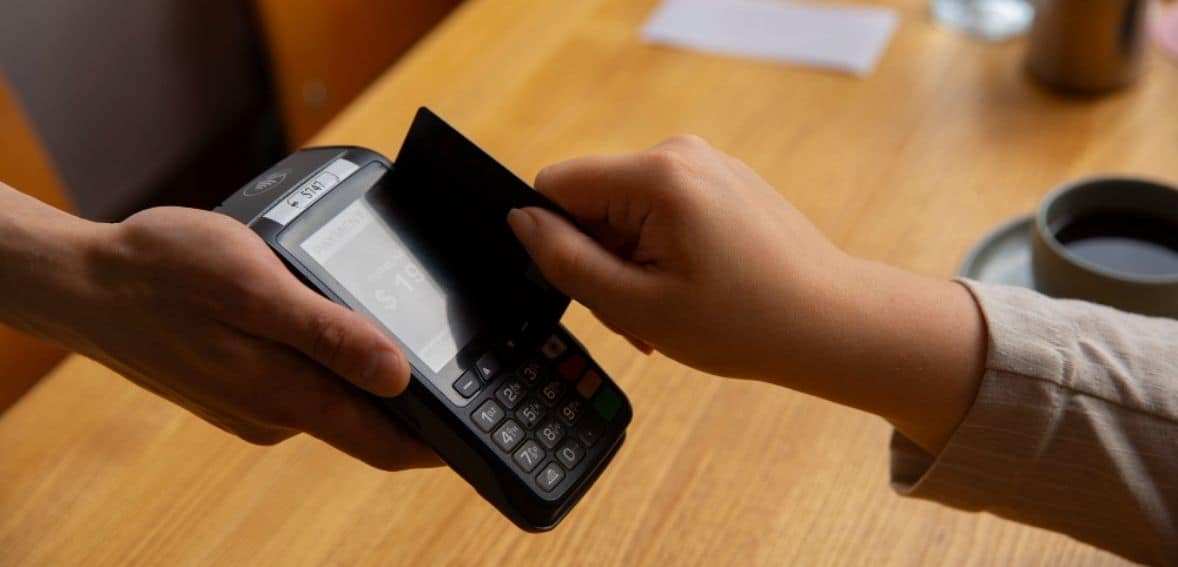
Credit and debit cards are now common at retail stores and most customers expect them to be available. Debit cards are often used when purchasing products physically, and credit cards are often utilized when purchasing online. Allowing card payments will help boost sales for retailers because customers will be in a position to spend without worrying about the cash in their pockets.
Additionally, card payments will help in improving cash flow because businesses will receive their payments directly into their accounts. However, card payments will charge some fee, which will be a small percentage of each transaction. Despite incurring a fee, card payments will play a critical role in ensuring competitiveness in a retail business.
Mobile and Digital Wallet Payments
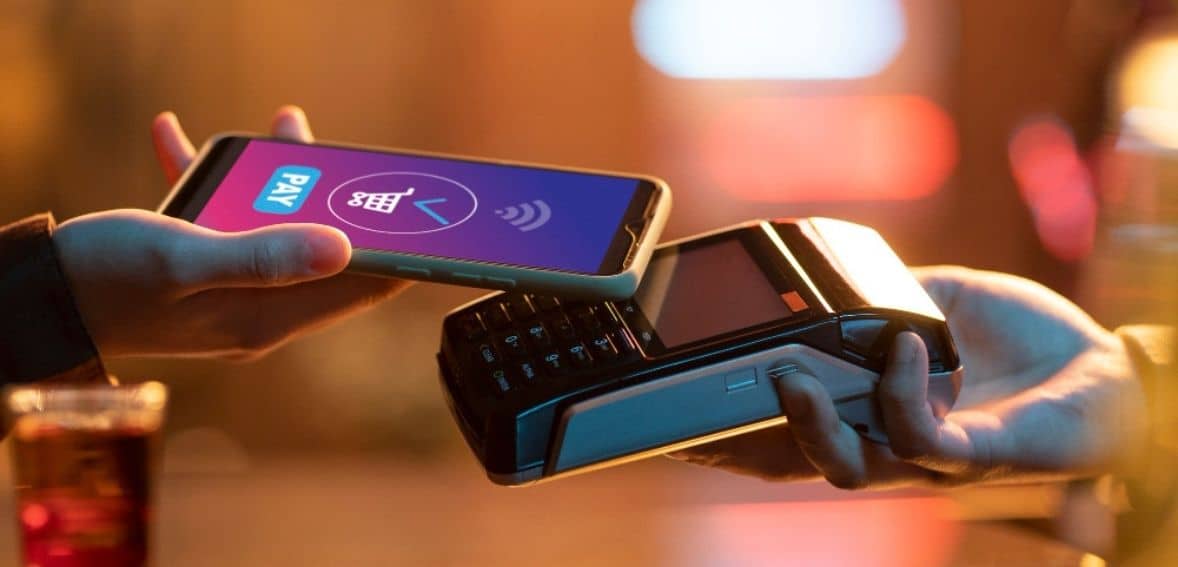
Payments via mobile wallets such as Apple Pay, Google Pay, and others are rising steadily. More consumers would rather pay for their goods and services using their phones because the process is quick, convenient, and secure. Customers already have their phone with them therefore, tapping for payments is more convenient compared to reaching for the cash wallet.
When it comes to retail shops, mobile payments provide settlement speeds equivalent to those of credit card transactions. The data of customer information may also be useful for marketing purposes. The ability to accept wallet payments results in improved consumer experiences and enhances a company’s reputations.
Gift Cards and Store Credit
Gift cards and store credit are strong tools for building customer loyalty. The former brings in new customers into the store, while the latter encourages loyal customers to spend more.
This ultimately drives up order size, as many customers often spend more than the value of their gift card or credit, which increases order size. Store credit also helps retailers keep revenue within their business, even during returns or exchanges. Providing store credit instead of cash refunds can give customers flexibility while protecting the revenue.
Custom and Flexible Payment Options

Custom payment options allow retailers to adapt to different customer needs. This includes split payments between multiple cards, paying part in cash and part by card, or making partial payments upfront. Some companies also provide a plan for billings or layaway, where customers can make payments over time.
These options make higher-priced products more accessible and can increase average order value. Custom payments might have extra processing costs; however, the added flexibility that is gained in return often leads to greater customer satisfaction and completed sales.
Cryptocurrency Payments
Although cryptocurrency is relatively new as an emerging payment method, it seems to be gaining popularity, particularly among young customers. Many retailers have adopted cryptocurrency payment in order to keep up with customers’ changing preferences.
Crypto payments are very secure, with low fees per transaction, and no cross-border fees on currency transfers. Payments are all controlled by the company when a refund is involved. However not all customers will be interested in crypto payments, but it is a good way to future-proof your business. There are many tech-savvy customers who will be interested in making their purchases through crypto.
Buy Now, Pay Later Solutions
“Buy now, pay later” enables consumers to pay for items by breaking them down into smaller amounts and sometimes even without paying interest. The reason this option has grown quickly is because it makes shopping feel more affordable and less stressful.
Customers become more open to purchasing pricey products if they can pay for them over time. For the retailers, BNPL improves conversion rates, the value of every basket, and the repeat businesses. It also helps the retailers reduce their dependency on traditional credit cards while giving the customers a feeling of control over their expenditures.
Loyalty Points & Rewards
The ability to earn points for future use is made possible with loyalty programs. These programs benefit price-conscious consumers in such a way that they feel valued.
While it may lead to a lessening of revenue for a certain period of time if it is redeemed, it helps to build customer relations for the long term. Unlike a discount system, where a customer goes away for good, a rewards program ensures the customer keeps coming back for more. The main challenge is managing the program effectively, but the long-term benefits often outweigh the effort.
Peer-to-Peer Payment Applications
Peer-to-peer payment applications such as PayPal and Venmo are widely used, primarily among the younger buyers. Many customers already keep balances on these applications and prefer using them over traditional cards. Adding these options to checkout makes it easier and more familiar. This also allows retailers to reach a wider audience and reduce the friction in paying.
Newark retailers can provide multiple payment options to cater to customers’ expectations, reduce friction during the checkout process, and ensure smoother checkout while the customers are shopping. The easier a customer can pay for something, the better chance that customer will make the purchase and come back for more.
How Flexible Payment Options Can Boost Sales and Customer Loyalty
Flexible payment options can do much more than make checkout easier. It has a direct impact on increasing sales and enhancing customer relationships.
To begin with, flexible payment methods assist in reducing cart abandonment. Many online customers reach the checkout step but abandon it because they realize there is no means of payment they trust and prefer. You can eliminate one of the greatest hurdles at this final step of payment by providing various means of payment. For customers who are already ready to buy, a smooth and familiar checkout experience makes it easier for them to complete the purchase.
Secondly flexible payments enable impulse purchase. Often, people make purchases even when they are not planning to buy at all. With quick payment systems such as contactless payments, impulse buys become much quicker. When paying feels simple and stress free, customers are more likely to go ahead with unplanned purchases.
Thirdly, the other key advantage is the ability to retain customers. When the checkout process is quick and convenient, the experience remains smooth and positive for the customer. If the buying experience is enjoyable for the client, they will have sufficient reasons to keep coming back without necessarily relying on discounts or other competitors.
Additionally, providing flexible payment terms can also help you attract new customers. Younger people may want to use electronic payment systems, such as PayPal, while others may want the option of payment plans or traditional payment methods. This can make it more attractive for you to attract new customers beyond your current marketplace.
Finally, flexible payment solutions also offer valuable analytics. Every payment transaction provides you with valuable information about how your customers prefer to pay and what they purchase. With a proper system in place, this will aid you in smart decision-making about your products, prices, and customers.
Practical Tips for Newark Retailers to Offer Flexible Payments and Build Customer Loyalty
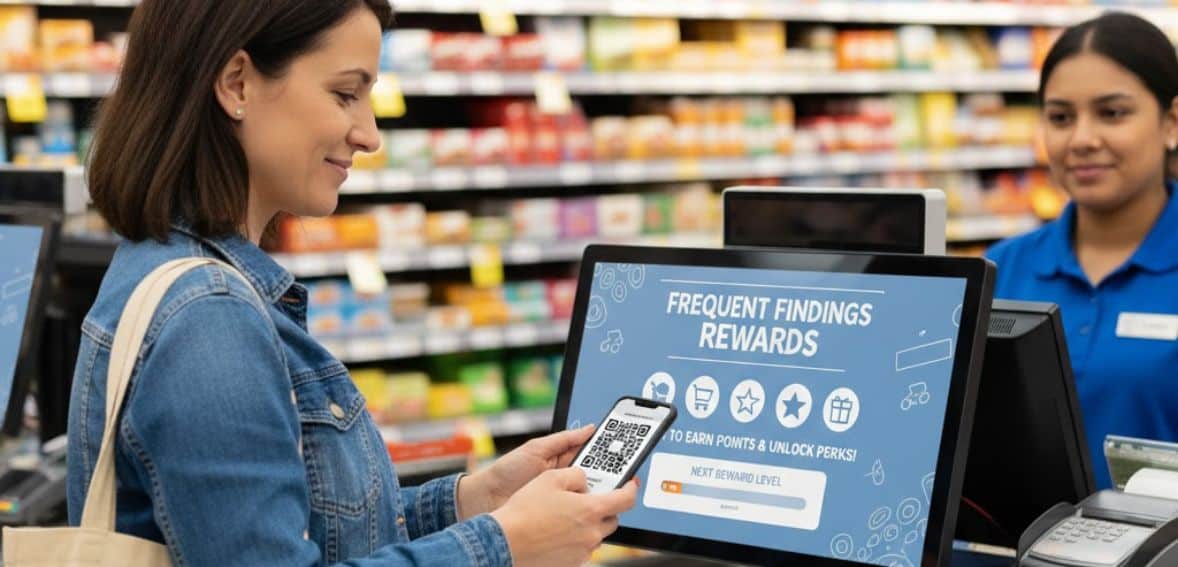
For a Newark business wanting to offer flexible payment options to its clients while promoting customer loyalty, there are a number of steps it should follow.
Firstly, it is necessary to review your current payment channels for any inconsistencies. This involves looking at how customers pay—whether online, in-store, or through invoices—and ensuring all methods are aligned.
Secondly look for a provider for payment processes. Choose a unified payment provider that supports both in-store and online payments through a single integration. This simplifies the process, offers smooth customer experience, and reduces all sorts of complexity. It is important to select a provider who allows quick deployment without requiring extensive technical expertise.
At the same time as we already discussed, it’s important to provide customers with the payment options they want, such as digital payments through Apple Pay and Google Pay, as well as ACH/EFT for larger payments and in-person payments through tap, dip, or swipe. Moreover, it’s critical to balance all payment channels such as online, mobile, and in-store to create as seamless an experience as possible for consumers at checkouts. This can be achieved through a single view for all transactions in order to analyze and optimize payments and detect problems easily.
Next gather information and data to make targeted offers for repeat businesses. With a unified payment system, you can track which payment methods and channels lead to frequent purchases, allowing you to tailor promotions and incentives accordingly. Lastly, if your payment service provider reduces your cost through eliminating the middle man, you can consider investing saved money into customer service such as packaging, faster order fulfillment, and customer reward programs. This will help to increase customer satisfaction and result in gaining more sales through customer loyalty in the Newark market.
How to Effectively Promote Flexible Payment Options After Implementation
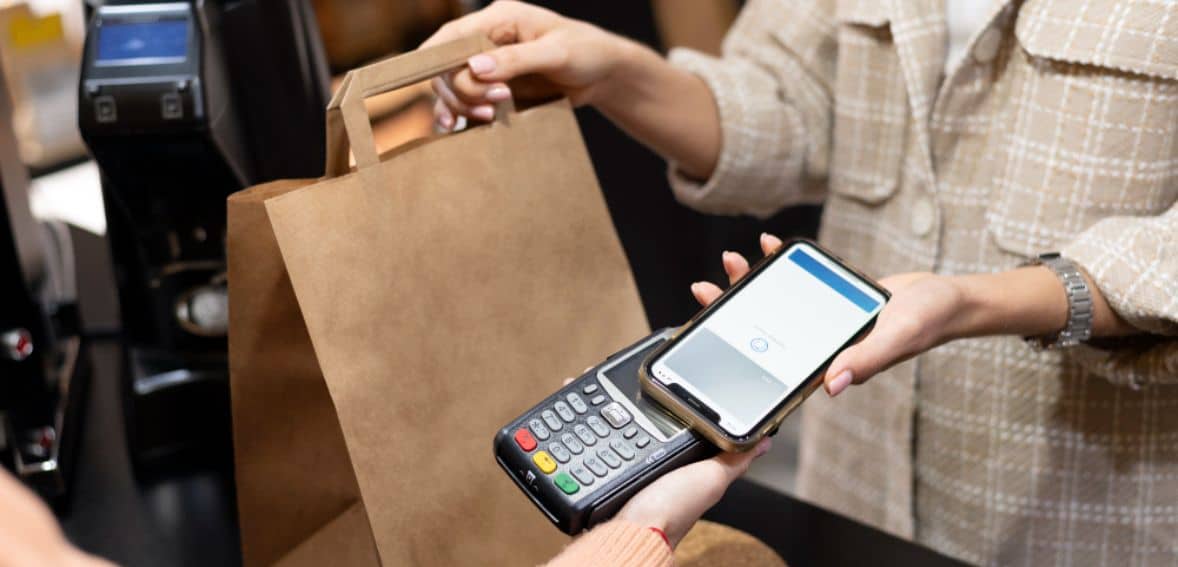
Flexible payment options like Buy Now, Pay Later are proven to boost conversions and increase customer confidence. But simply offering them is not enough. Instead, the value depends on how well you communicate and promote this to the customers.
Firstly, make flexible payment signs visible and accessible to the customer as they view the different product offerings, as well as when they check out. Subtle messages that explain monthly payments or split costs can reduce hesitation at the exact moment a customer is deciding to buy or has any second thoughts regarding payments.
Secondly your customer service personnel must also feel confident in communicating these details when customers inquire about them, this ensures that they don’t experience any further delay in getting their questions answered.
Not all customers think the same way when it comes to payments, so personalization plays a big role. By using customer and purchase data, you can tell who is most likely to respond to flexible payment offers. Some shoppers need reassurance on higher-value purchases, while others want convenience. Tailoring the payment message based on their behavior makes the offer feel like a help, instead of a marketing strategy.
Additionally flexible payments become even more desirable when considered together with reward programs. Customers are motivated when they are reminded that for every purchase they complete they are earning points for using flexible payments, with these simple strategies motivation for using the payment is greatly enhanced.
Promotion should not happen through just one means. Customers engage with various modes like emails, ads, social media, and website messages; therefore, adaptable payment messages should also be consistent. Though the main message will remain the same, a variation of just a slight tone within different media will make it feel very organic. Performance metrics for different media will reveal where customers are most and least responsive to messages.
A seamless checkout process is just as essential as promotion. If customers find checkout to be slow or confusing, they will leave their carts behind, irrespective of the deal they are being offered. Understanding checkout processes and making them simpler and quicker can make a huge difference in this process.
Conclusion
One of the most practical ways in which Newark retailers could enhance the customer experience is by improving payment options. When checkouts feel fast, flexible, and familiar, customers are more likely to finish a purchase and keep coming back. By giving more payment options and reducing friction retailers can build a much smoother and more reliable shopping journey for long-term growth.
FAQs
Why are flexible payment options important for Newark retailers?
These functions reduce the friction involved when customers check out, fulfill expectations, enhance conversions, and assist retailers in avoiding lost sales throughout the final checkout process.
Which payment options should the retailers focus on?
It is important for retailers to support payment methods such as cards, mobile wallets, BNPL, cash, as well as leading peer-to-peer payment applications.
Does improved payment functionality create a better shopping experience?
Yes, convenient payment options with a smooth experience definitely ease checking out, reducing frustration, thus giving customers a positive experience.
Will additional payment options lead to increased sales?
Of course, consumers would have a greater chance of finalizing payments if they could do it with their preferred method of payment.
Are flexible payment options difficult to implement for small retailers?
Not anymore, thanks to new POS systems, which can easily incorporate multiple payment methods without much effort.